

Experience Cloud - Broker Portal Best Practices
Insurance brokers face pressure to deliver great digital experiences while juggling complex workflows, varied product portfolios and shifting customer expectations. A well-implemented Salesforce Experience Cloud portal transforms broker operations by centralising information, automating routine tasks, and creating seamless interactions. However, success requires more than simply deploying technology. Understanding broker portal best practices on Experience Cloud ensures your investment delivers sustainable value, drives user adoption, and creates competitive differentiation in an increasingly digital marketplace.
Establishing Clear Portal Objectives and Success Metrics
Before designing your broker portal, define specific business objectives that align with broader organisational strategy. Vague goals produce vague results. Identify whether your primary focus involves reducing administrative overhead, accelerating quote-to-bind timeframes, improving broker satisfaction scores, or increasing policy renewals.
Successful portal implementations begin with measurable success criteria:
User adoption rates across different broker segments
Time-to-completion metrics for common workflows like quote generation
Portal login frequency and session duration
Support ticket reduction percentages
Revenue impact from improved broker engagement
Working with experienced Salesforce consultancy partners ensures these metrics align with industry benchmarks whilst reflecting your unique business context. Establishing baseline measurements before launch provides essential comparison points for demonstrating ROI and identifying optimisation opportunities.

Designing Intuitive User Experiences for Diverse Broker Personas
Broker populations rarely represent homogenous groups. Independent agents, captive brokers, wholesalers, and retail brokers each approach your portal with different needs, technical proficiency levels, and workflow expectations. One-size-fits-all portals frustrate everyone.
Personalised Dashboards and Role-Based Access
Configure Experience Cloud to present personalised dashboards based on broker type, product focus, and historical behaviour. A commercial lines specialist requires immediate access to complex rating engines and exposure analysis tools, whilst personal lines brokers prioritise quick quote generation and renewal management.
Implementing proper client portal setup processes ensures security, compliance, and usability align seamlessly. Role-based permissions protect sensitive data whilst streamlining navigation by hiding irrelevant features.
Simplified Navigation Patterns
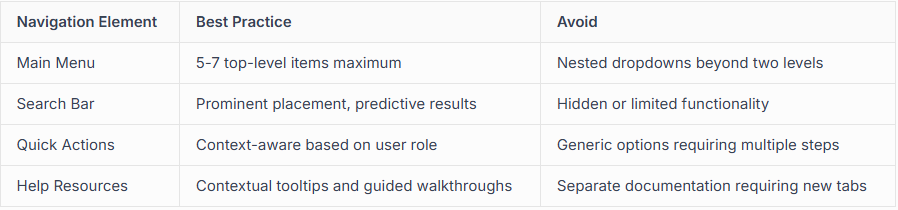
Effective experience cloud broker portal best practices emphasise reducing clicks and cognitive load. Critical functions should sit no more than two clicks from the homepage. Common workflows deserve dedicated shortcuts, and search functionality must deliver accurate results instantly.
Integrating Automated Workflows and Intelligence
Manual data entry and repetitive administrative tasks drain broker productivity and create error opportunities. Modern broker management platforms leverage automation to eliminate bottlenecks whilst maintaining accuracy and compliance.
Quote and Bind Automation
Configure workflows that automatically validate submission data, trigger rating engines, generate quote documents, and route approvals based on predefined business rules. Integration with carrier systems eliminates duplicate data entry whilst ensuring real-time pricing accuracy.
The Broker Digital Experience Site provides pre-built components for common insurance workflows, accelerating implementation timelines whilst ensuring industry best practices.
Intelligent Document Management
Automatically categorise uploaded documents using AI classification, extract policy data through optical character recognition, and route documents to appropriate workflows. Brokers waste countless hours searching for attachments and manually filing paperwork. Intelligent automation reclaims this time for revenue-generating activities.

Ensuring Seamless Mobile Accessibility
Brokers increasingly conduct business outside traditional office environments, meeting clients at homes, businesses, and community events. Desktop-only portals create unnecessary friction and missed opportunities.
Responsive design represents the baseline expectation, but true mobile optimisation extends further. Consider touch-optimised interfaces, offline functionality for areas with limited connectivity, and mobile-specific workflows that account for smaller screens and different usage contexts.
Testing across multiple devices, operating systems, and connection speeds identifies experience gaps before they impact broker satisfaction. Implementation best practices emphasise continuous testing throughout development rather than relegating mobile testing to final stages.
Prioritising Performance and Reliability
Even the most feature-rich portal fails if pages load slowly or systems crash during peak usage. Performance directly impacts adoption and broker satisfaction.
Technical Performance Benchmarks
Page load times under 2 seconds for standard views
Search result delivery within 1 second
Document upload processing with real-time status indicators
System availability exceeding 99.5% during business hours
Implementing proper caching strategies, optimising database queries, and leveraging Salesforce best practices for Experience Cloud architecture ensures consistent performance. Regular load testing simulates peak usage scenarios and identifies bottlenecks before they affect real users.
Building Effective Training and Support Programmes
Technology alone never guarantees adoption. Comprehensive training programmes and accessible support resources transform unfamiliar systems into daily productivity tools. Broker experience cloud portal best practices recognise that user adoption depends on team enablement.
Multi-Modal Learning Resources
Different brokers prefer different learning approaches:
Interactive guided tours for visual learners new to the platform
Video tutorials demonstrating common workflows step-by-step
Written documentation providing detailed reference materials
Live training sessions offering personalised instruction and Q&A
Peer community forums enabling brokers to share tips and solutions
Creating a comprehensive learning programme requires balancing structure with flexibility, ensuring brokers access support when and how they need it.
Continuous Improvement Through Feedback
Establish formal feedback channels capturing broker suggestions, pain points, and enhancement requests. Regular user surveys, usage analytics review sessions, and broker advisory groups provide invaluable insights for prioritising improvements.
Case studies demonstrate that organisations implementing structured feedback loops achieve higher satisfaction scores and faster feature adoption rates.
Maintaining Security and Compliance Standards
Insurance data carries stringent security and regulatory requirements. Portal implementations must balance accessibility with robust protection mechanisms preventing unauthorised access and data breaches.
Multi-factor authentication, session timeout policies, audit logging, and encryption protocols represent fundamental security layers. Regular security reviews and penetration testing identify vulnerabilities before malicious actors exploit them.
Compliance extends beyond technical controls to encompass data retention policies, privacy notices, and documented consent management. Financial services implementations face particularly rigorous requirements demanding specialised expertise.

Leveraging Pre-Built Components and Accelerators
Experience Cloud offers extensive pre-built components specifically designed for insurance broker scenarios. The Group Benefits Broker Digital Experience Site provides ready-to-deploy functionality reducing implementation timelines whilst incorporating proven design patterns.
Custom development should focus on unique differentiators rather than recreating functionality already available through standard components. This approach accelerates time-to-value whilst reducing ongoing maintenance complexity.
Partnering with consultancies experienced in clean, scalable implementations ensures your portal leverages platform capabilities efficiently whilst maintaining flexibility for future enhancements.
Implementing an experience cloud broker portal requires balancing technical excellence with deep understanding of broker workflows and business objectives. When properly executed, these portals transform broker relationships, streamline operations, and create measurable competitive advantages. capeMBX Consulting specialises in delivering clean, scalable Experience Cloud implementations that drive sustainable success through our proven BEACON methodology, ensuring your broker portal delivers exceptional experiences and measurable business results from day one.
