

Agentforce Service Cloud Solutions: Transforming Support
AI is transforming how businesses operate, as modern customer service demands more than traditional support systems. Businesses across multiple industries face mounting pressure to deliver personalised, efficient service across several touchpoints whilst maintaining operational efficiency.
Agentforce Service Cloud addresses these challenges by providing a comprehensive platform that unifies customer interactions, automates workflows, and empowers service teams with intelligent tools. Understanding how these solutions work and their strategic implementation value becomes essential for businesses seeking a competitive advantage through superior customer experience.
The Foundation of Effective Customer Service Platforms
Agentforce Service Cloud represents a transformative approach to customer relationship management, specifically designed for service operations. This platform provides AI-powered customer service capabilities that extend far beyond basic ticketing systems, creating an ecosystem where every customer interaction becomes an opportunity to build loyalty and gather insights.
Core capabilities include:
Omnichannel case management that consolidates inquiries from all sources
AI-driven automation for routing, prioritisation, and resolution suggestions
Self-service portals and knowledge bases that reduce agent workload
Real-time analytics and reporting dashboards for performance monitoring
Mobile accessibility enabling service delivery from anywhere
The architecture of Service Cloud solutions emphasises scalability and flexibility. Unlike rigid legacy systems, Service Cloud adapts to unique business processes whilst maintaining data integrity and user experience standards. This adaptability proves particularly valuable for organisations experiencing growth or undergoing digital transformation initiatives.

Strategic Implementation Considerations
Deploying Agentforce Service Cloud requires careful planning and execution. The difference between a successful implementation and a struggling deployment often lies in the discovery and design phases. Strategic decisions made during implementation directly impact long-term adoption rates and return on investment.
Discovery and Requirements Mapping
Organisations must begin by thoroughly documenting current service processes, pain points, and desired outcomes. This discovery phase identifies gaps between existing capabilities and business objectives. Understanding the real cost of skipping discovery highlights why rushed implementations frequently fail to deliver expected value.
Teams should map customer journeys across all touchpoints, identifying where service interactions occur and how information flows between systems. This mapping exercise reveals integration requirements and automation opportunities that might otherwise remain hidden until post-launch challenges emerge.
User Adoption and Change Management
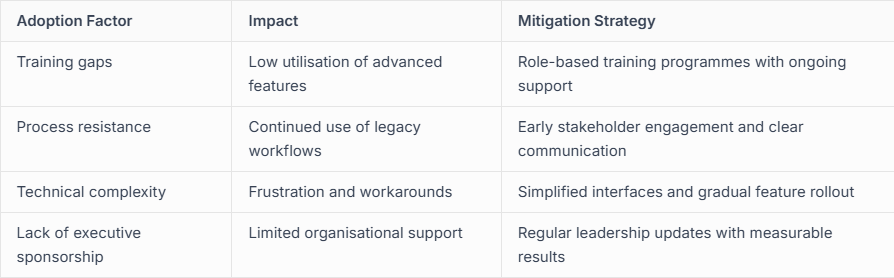
Technology alone cannot transform service operations. Successful Service Cloud implementations prioritise user experience and adoption from the outset. Service agents must understand not just how to use the platform but also why new processes benefit both their daily work and customer outcomes.
Integration and Ecosystem Connectivity
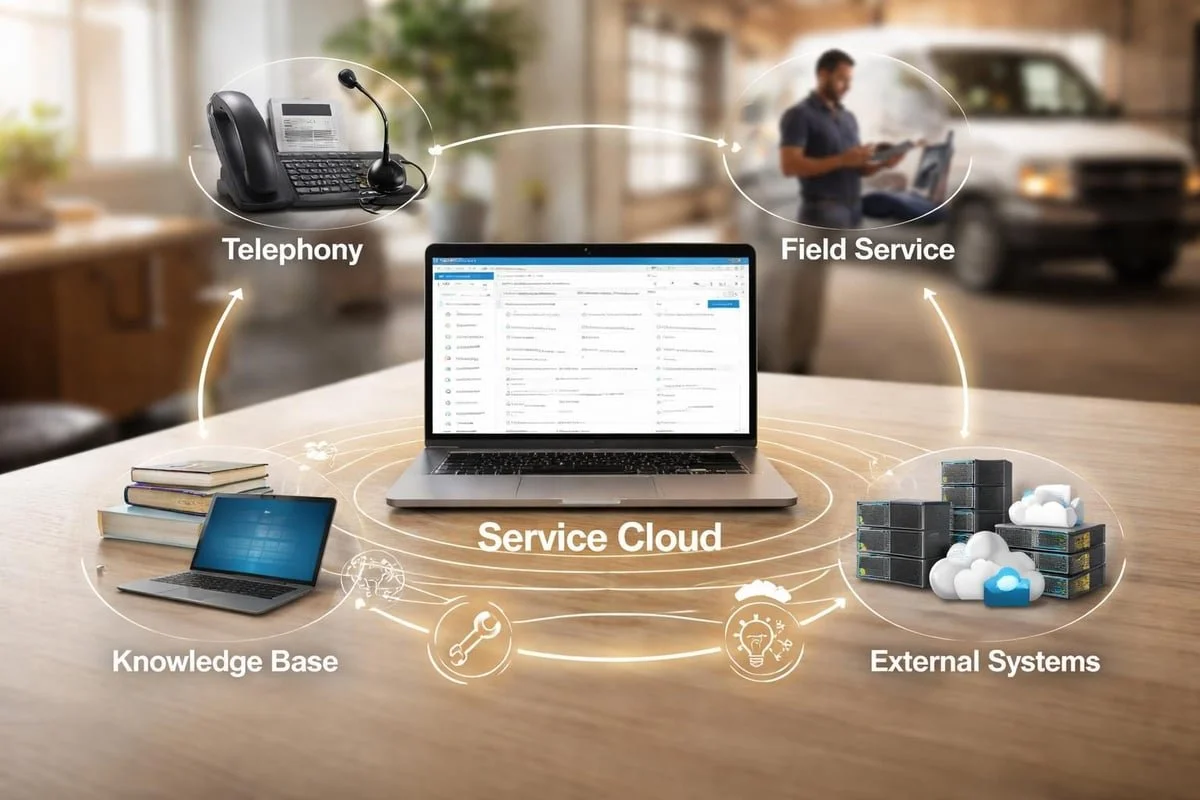
Modern service excellence requires seamless data flow between systems. Agentforce Service Cloud excels at integration, connecting with telephony platforms, marketing automation tools, commerce systems, and third-party applications. Understanding comprehensive CRM implementation services provides context for how Service Cloud fits within broader digital ecosystems.
Integration priorities typically include:
Telephony systems for click-to-dial functionality and call logging
Knowledge management platforms to surface relevant articles during interactions
Field service applications for coordinated mobile and desk-based support
Analytics tools that aggregate service data with broader business metrics
Communication channels, including Slack, social media, messaging apps, and live chat
TechTarget's analysis of Service Cloud emphasises how these integrations create a single source of truth for customer information, eliminating the data silos that plague fragmented service operations.
AI and Automation Capabilities
Artificial intelligence fundamentally changes how organisations deliver service at scale. Service Cloud incorporates Agentforce to automate routine tasks, predict customer needs, and suggest optimal resolutions. Understanding AI capabilities in Service Cloud reveals opportunities to improve efficiency and enhance customer satisfaction.
Intelligent Case Routing
AI analyses incoming cases based on content, urgency, customer history, and agent expertise. This intelligent routing ensures each inquiry reaches the most qualified team member, reducing resolution times and improving first-contact resolution rates. The system learns from historical patterns, continuously refining its routing logic.
Predictive Service
Advanced implementations use AI to anticipate service needs before customers even reach out. By analysing usage patterns, product telemetry, and historical data, Agentforce Service Cloud can trigger proactive outreach, preventing issues from escalating into service cases.
Measuring Success and Continuous Improvement
Effective service operations demand ongoing measurement and refinement. Service Cloud provides comprehensive analytics capabilities that track key performance indicators and identify improvement opportunities.
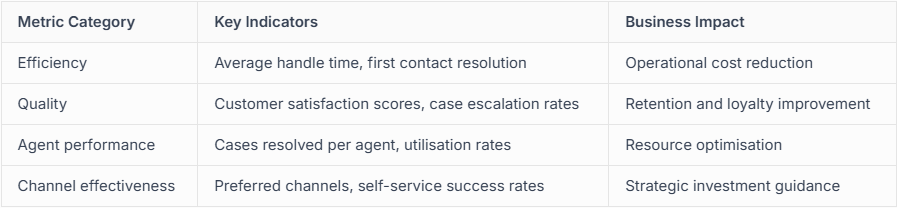
How Service Cloud powers case management demonstrates practical applications of these metrics in real-world scenarios. Businesses across the UK and Ireland that establish clear baselines and track improvements systematically achieve better outcomes than those implementing technology without measurement frameworks.
Industry-Specific Applications
Agentforce Service Cloud adapts to diverse industry requirements. For example:
Financial services organisations use Service Cloud for secure, compliant customer communications.
Healthcare providers leverage it to support patients while maintaining HIPAA compliance.
Manufacturing companies integrate service operations with field service capabilities for comprehensive support.
Each industry brings unique challenges requiring thoughtful configuration. Regulatory compliance, data security requirements, and industry-specific workflows all influence how Salesforce Service Cloud solutions should be architected and deployed. Working with experienced consultants ensures these nuances receive appropriate attention during implementation.
Mobile and Remote Service Delivery
Modern service teams work from multiple locations, requiring robust mobile capabilities. Service Cloud's mobile application provides full functionality on smartphones and tablets, enabling agents to maintain productivity regardless of location. This mobility proves essential for organisations embracing hybrid work models or managing distributed service teams.
The platform synchronises seamlessly between devices, ensuring agents always access current information. Case updates, knowledge articles, and customer histories remain available offline, synchronising automatically when connectivity is restored. This reliability builds confidence in mobile-first service strategies.
Implementing Agentforce Service Cloud transforms customer service from a cost centre into a strategic differentiator. Success requires more than technology deployment; it demands thoughtful planning, clean implementation, and ongoing optimisation aligned with business objectives.
As a leading Salesforce Partner, capeMBX Consulting specialises in delivering Service Cloud implementations using our proven BEACON methodology, ensuring your platform becomes a robust engine for customer satisfaction and business growth. Partner with experts who prioritise sustainable success and measurable results in every engagement.
